Wholesaling University · Lesson 7 of 19

How to Find Motivated Sellers

Every main way wholesalers find sellers today, from free county lists to cold email, calls, mail, ads and referrals, with rough costs and the rules to check before you reach out.

Module 3: SellersAbout 25 min readFree course
How to find motivated sellers: a printed list with a few rows marked in orange, a folded map with two areas circled, a phone and a coffee mug on a wooden desk
Quick answer

A motivated seller needs to sell, not just wants to: an inherited house, back taxes, code violations, a vacant property or a foreclosure notice. You find them with lead lists, outbound marketing (email, calls, texts, mail), inbound marketing (a website, ads, SEO, bought leads) and relationships. Pick two or three you can work every week, follow the rules for each, and follow up for months.

Lesson
7 of 19, module 3: Sellers
Time
About 25 minutes to read
You'll need
Your county's website, a way to track leads and a few hours a week
Next
Lesson 8: talking to motivated sellers
The short answer

What is a motivated seller?

A motivated seller is an owner who needs to sell, not one who would just like to. Someone listing a nice house with an agent wants top dollar and has time to wait for it. A motivated seller has a problem the house is causing, and a fast, as-is sale fixes that problem.

That's who a wholesaler can help. You can't pay retail, because your cash buyer needs room for repairs and profit. So you're looking for owners who care more about speed, certainty and not fixing anything than about the last dollar.

Most of those problems leave a paper trail, so lists are where a lot of people start. But lists are only one way in. This lesson covers every main way wholesalers find sellers today, in four groups: lead lists and data, outbound, inbound and relationships. I'm a real estate investor, not an attorney or financial advisor, so the rules part is education, not legal advice.

Inherited

An heir lives out of state and doesn't want to manage or fix the house.

Behind on taxes

The county is adding penalties, and a tax sale may be coming.

Tired landlord

Bad tenants, repairs and vacancies have worn the owner out.

Facing foreclosure

The owner is behind on the mortgage and running out of time.

Side by side

Every way to find motivated sellers, compared

There's no single best source. Each one trades money for time in a different way, and each has its own rules. Here's the whole menu at a glance. Cost and effort are relative, because prices vary a lot by market and vendor. Each method has its own card further down, with rough prices and the main rules.

MethodGroupCostEffortWatch out for
Tax delinquent, probate, code violation and pre-foreclosure listsLists and dataLow to mediumMediumForeclosure and tax sale owners can be covered by equity purchaser laws
Driving for dollarsLists and dataLow: gas and an appHighTrespassing. Stay on the street and sidewalk.
List stacking, skip tracing and data toolsLists and dataMediumMediumData doesn't come with consent to call or text
Cold emailOutboundLow to mediumMediumCAN-SPAM, plus inbox setup and warmup
Cold callingOutboundMediumHighDo Not Call, calling hours and autodialer consent
TextingOutboundMediumMediumTCPA consent, 10DLC registration and strict state laws
Direct mailOutboundMedium to highLow to mediumState solicitation notices on letters and envelopes
Ringless voicemailOutboundLowLowThe FCC treats it as a call that needs consent
AI calling and texting assistantsOutboundLow to mediumLow to mediumAI voices need prior written consent for marketing
Door knockingOutboundLowHighSolicitor permits and no-soliciting signs
Bandit signsOutbound (older)Low, until the finesLow to mediumMany cities ban them and fine for each sign
Seller websiteInboundLow to mediumLow to mediumConsent wording on your form
SEOInboundLow, mostly timeHigh and slowTakes months before it brings leads
Google AdsInboundHighMedium to highEasy to spend a lot fast, and housing targeting limits
Facebook and Meta adsInboundMedium to highMediumHousing Special Ad Category limits targeting
Social media and YouTubeInboundLow, mostly timeMedium to highTestimonial and endorsement rules
PPL (pay per lead)Inbound (bought)Medium to highLow to mediumAsk how the vendor got consent
Referrals and bird dogsRelationshipsLowLow to mediumPaying unlicensed people for leads varies by state
Networking and JVsRelationshipsLowMediumMarketing someone else's contract can need a license
Expired and withdrawn listingsRelationshipsLow to mediumMediumSame call, text and mail rules. Scrub first.

My take: start with one list you can pull cheaply from public records (tax delinquent or code violations), add one outbound channel you can afford to repeat, and stack your lists so the same owner shows up on more than one. An owner who's vacant and behind on taxes is usually a better lead than either one alone.

Step by step

How to find motivated sellers, step by step

Step 1: Learn the signs of a motivated seller

Before you pull a single list, know what you're looking for. These are the situations that most often turn a homeowner into a motivated seller:

Inheritance and probate. The house was left to heirs who don't want it. Back taxes. The owner owes the county and penalties keep growing. Code violations. The city keeps citing the house and the fines add up. Vacancy. Nobody lives there, and it costs money every month. Pre-foreclosure. The owner is behind on the mortgage. Tired landlords, divorce and job moves round out the list.

One sign is a lead. Two or three on the same property is usually a much better lead. That's the idea behind stacking lists.

Checklist
  • You can name the common motivation signs
  • You know which ones show up in public records in your county

Step 2: Pick two or three lead sources you can work every week

Look at the comparison table above and be honest about what you have more of: time or money. If you have more time, start with driving for dollars, free county lists, door knocking or cold calling. If you have more money than time, a data tool, direct mail, cold email or PPL (pay per lead) may fit better. Each method has its own card below the steps, in four groups: lists and data, outbound, inbound and relationships.

Then pick only two or three sources. Working a few sources every week beats trying ten and following up on none. Write down what you'll do each week, like 3 hours of driving and one mailing to the tax delinquent list.

Stick with your sources long enough to judge them. A single mailing or a single weekend of driving doesn't tell you much. Track every lead from day one, so you know which source actually brings you contracts.

Checklist
  • Two or three sources picked
  • A weekly time block for each one
  • A spreadsheet or CRM with a column for lead source

Step 3: Pull lists from public records

Most motivation signs live in county or city records. Here's where to start:

Tax delinquent: the county treasurer or tax collector. Many publish a delinquent list or a tax sale list, and others sell one. Probate: the probate or surrogate's court, where many counties let you search new estate filings online. Pre-foreclosure: foreclosure filings or notices of default, recorded with the county or filed in court depending on your state. Code violations: your city's code enforcement or building department.

If a list isn't online, ask for it with a public records request. One thing the old guides get wrong: the federal Freedom of Information Act only covers federal agencies. City and county records fall under your state's public records law, so use your state's request form and name that law.

A data tool can pull and combine these lists for you. That costs money but saves hours. I use DealMachine for driving for dollars and list building.

Checklist
  • Your county treasurer's delinquent or tax sale list
  • How to search new probate filings
  • A public records request sent for code violations
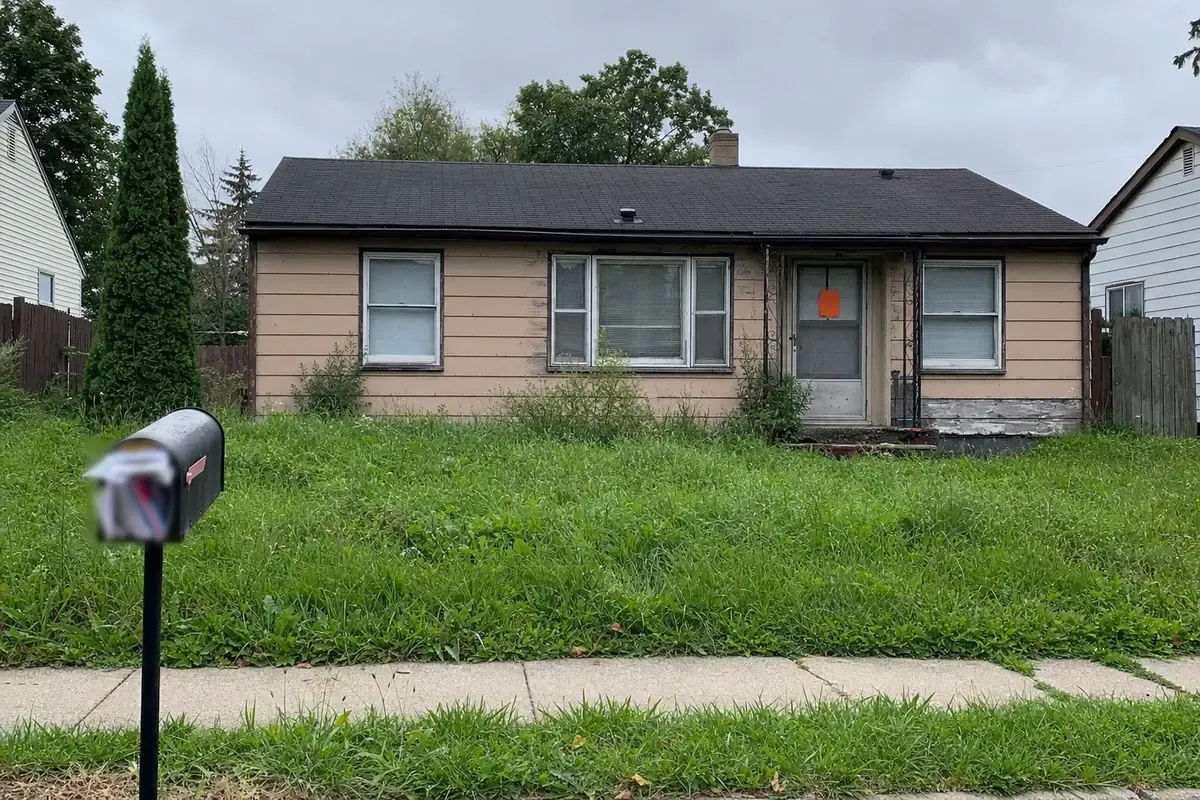
Motivated seller signs: a vacant-looking house with tall grass, an orange notice taped to the front door and a stuffed mailbox, seen from the sidewalk

Step 4: Drive for dollars the right way

Driving for dollars is still one of the cheapest ways to find deals nobody else is mailing yet. Pick a few neighborhoods your buyers buy in (Lesson 3 and Lesson 4 help here) and drive or walk them slowly.

Look for tall grass, boarded windows, piled-up mail, tarps on the roof, peeling paint and cars that never move. Save each address with a photo and a note. Then look up the owner in county records and mail them, or skip trace them and call (after you've checked the rules above).

Stay on public streets and sidewalks. Don't go onto the property, look in windows or leave notes on doors unless your city allows it. A vacant house still belongs to someone.

Checklist
  • Neighborhoods picked where your buyers buy
  • Each house saved with a photo and a note
  • Owner looked up before you reach out

Step 5: Reach out with more than one touch

Most sellers won't call back the first time. They may not be ready, or your letter got lost with the bills. Plan for several touches over weeks and months: letters or postcards, emails, calls to scrubbed numbers, then another letter. Mixing channels helps, as long as each one follows its own rules.

Keep your message honest and simple. Say who you are, that you buy houses as-is, and how to reach you. Don't pretend to be a neighbor, a government office or a lender, and don't promise a price before you've seen the house. If your state requires a disclosure in your marketing, put it there.

When someone does call back, have your questions ready. Lesson 8 has the seller script.

Checklist
  • A follow-up schedule for each list
  • Every phone number scrubbed against Do Not Call
  • Your state's required disclosures in your marketing

Step 6: Build a referral network

Some of the best leads come from people, not lists. Contractors, property managers, probate and estate attorneys, other investors and title companies all run into owners who need to sell. Let them know what you buy.

Bird dogs are people who find leads for investors in exchange for a fee. Be careful here. In some states, paying an unlicensed person for referring a real estate deal can be a license problem. Ask your attorney before you pay anyone for a lead.

The simplest referral source is your own past sellers. Treat them well, and they'll tell their friends.

Checklist
  • A list of local contractors, attorneys and managers to call
  • Your attorney's answer on paying for referrals

Step 7: Track and follow up on every lead

Every lead goes in your tracker with its source, the date, what the owner said and when to follow up. A seller who says "not now" is often just not ready yet. Months later, after another tax bill or another tenant problem, the answer can change.

Once a month, look at your numbers by source: leads, appointments and contracts. Drop what isn't working and put more time into what is. Lesson 19 shows the weekly system I use to keep it all moving.

Checklist
  • Every lead has a source and a next follow-up date
  • Results by source reviewed each month
Group 1

Lead lists and data

Lists are the base for most outbound marketing. You find owners with a reason to sell, then decide how to reach them.

Costs below are rough tool prices, not campaign totals, and they say nothing about results. Prices change, check current pricing.

Tax delinquent, probate, code violation and pre-foreclosure lists

Owners behind on property taxes, estates in probate, houses the city keeps citing and owners with a foreclosure filing. These come from county and city records (see step 3), or a data tool builds them for you. They're still the core of most wholesalers' marketing, because each one points to a real problem.

Rough cost
Free to low from the county (some sell their lists). Data tools from about $99 a month.
Effort
Medium. Pulling, cleaning and updating the lists every month.

Main rules: Use your state's public records law, not FOIA, for city and county lists. Owners in foreclosure, and in some states owners on a tax sale list, are covered by equity purchaser laws with cancel rights and required contract wording. Talk to an attorney before you contact them.

Read my code violation list guide and my Tax Delinquent Blueprint review.

Driving for dollars

Driving or walking neighborhoods and saving run-down or vacant houses: tall grass, boarded windows, piled-up mail. Step 4 covers how to do it right.

That's how I started in the Detroit area: brute force. I drove neighborhoods, wrote down addresses and left door notes. It's slow, but it costs almost nothing and teaches you a market fast.

Rough cost
Low: gas and an app. DealMachine plans start around $99 a month if you want the app to look up owners for you.
Effort
High. Hours in the car, every week.

Main rules: Stay on public streets and sidewalks. Don't go onto the property. Check your city's rules before you leave notes or door hangers.

I use DealMachine for this. Read my DealMachine review.

List stacking, skip tracing and data tools

Stacking means layering signals, like absentee and vacant and behind on taxes, so you work the owners with the most reasons to sell first. Skip tracing finds phone numbers and emails for those owners. Data tools do both, and most outbound marketing starts here.

Rough cost
DealMachine from about $99 a month per seat, up to about $599 for its biggest package. PropStream about $81 to $99 a month, plus about 12 cents per skip-traced contact. Other tools run from about $119 a month up to several hundred.
Effort
Medium. Learning the filters, then cleaning and updating lists.

Main rules: Owning a phone number doesn't give you consent to call or text it. You still scrub against Do Not Call and check TCPA consent before any autodialed, prerecorded or AI call, and before texting.

My reviews: DealMachine, PropStream and Xleads.

Group 2

Outbound: you reach out to owners

Outbound means you contact owners from a list. It's the fastest way to start, and it's where most of the rules are.

Rough tool prices only, not campaign totals. Prices change, check current pricing.

Cold email

Short, plain-text emails to property owners, sent from separate domains so your main email stays safe. It's how I find sellers today.

My system: build the list in DealMachine, verify every address in ZeroBounce and keep only the valid ones, then send in Instantly. For inboxes, I recommend Instantly's Done-For-You Gmail mailboxes, a few per domain, warmed up for 2 to 3 weeks before you send. Keep it to about 15 emails per inbox a day, one simple question per email, and stop when someone replies.

Rough cost
Instantly sending plans about $47 to $358 a month. Done-For-You Gmail mailboxes about $5 per inbox a month, plus about $15 per domain a year. ZeroBounce from about $39 per 2,000 checks. DealMachine from about $99 a month.
Effort
Medium. Most of the work is the setup (domains, inboxes, warmup), then reading replies every day.

Main rules: CAN-SPAM covers commercial email, with no carve-out for emails to consumers or businesses. Treat seller emails as covered: honest From line and subject, identify the message as an ad, include your physical mailing address and a working opt-out, and honor opt-outs within 10 business days. State wholesaling disclosures apply to email too.

Want the whole system done with you? Meet Carl and the B2C Cold Email Lab. For the list, read my DealMachine review.

Cold calling

Calling owners from a skip-traced list, by hand or with a power dialer. It's still one of the most common ways wholesalers find deals, and it's a skill you can learn with a good script and a lot of reps.

Rough cost
Dialers about $89 to $299 per user a month, plus your list and skip tracing.
Effort
High. Calling hours every day, plus follow-up and scrubbing.

Main rules: Under the TCPA and the FTC's Telemarketing Sales Rule: call only between 8 a.m. and 9 p.m. the owner's local time, scrub against the National Do Not Call Registry at least every 31 days, and keep your own do not call list. Autodialed or prerecorded calls need consent. Florida, Oklahoma and Maryland cut off at 8 p.m. and limit calls to 3 in 24 hours. Courts disagree on whether we-buy-houses calls are solicitations, so treat yours as covered.

Chris and Heather Logan teach wholesaling over the phone with cold calling as the main lead source. Read my Virtual Wholesaling Made Simple review. Free: my cold calling script and calling rules.

Texting

Texts to skip-traced cell numbers through a texting platform. It's still common, but carriers filter more texts than they used to, and the rules are tight.

Rough cost
Platforms about $199 to $499 a month, plus 2 to 3 cents a text. High-volume plans run about $497 to $2,297 a month.
Effort
Medium. Registration up front, then fast replies.

Main rules: Texts count as calls under the TCPA. Autodialed texts need consent, and marketing texts need written consent. Do Not Call and calling hours apply. Honor any reasonable opt-out quickly. Carriers require 10DLC registration (a carrier rule, not a law) for business texts from regular numbers, which takes weeks. Washington bans commercial texts that promote real property, Texas requires registration for texting solicitations without consent, and Florida has its own consent law.

Direct mail

Postcards, letters, yellow letters or handwritten notes mailed to a list, usually several times. Once it's set up, the printing and mailing are mostly done for you.

Rough cost
Retail postage about $0.65 a postcard and $0.82 a letter. DealMachine postcards, printed and mailed, about $0.70 to $0.89 each. Handwritten services about $0.73 to $0.93 each.
Effort
Low to medium. Design once, then repeat mailings.

Main rules: Some states require a notice on your mail. Georgia requires a capitalized THIS IS A SOLICITATION notice at the top and solicitation wording on the envelope, plus extra lines if you name a price. Indiana requires its own statement, and New York City has rules for unsolicited offers. Never make mail look like it's from a government office, court or lender.

DealMachine sends mail right from the app: my DealMachine review. And if you like mail, the Community Card Playbook ↗ postcard course is worth a look. It's a side business, not seller marketing: you sell local businesses ad spots on a shared postcard, and you still have to sell the spots.

Ringless voicemail

A recorded message dropped straight into voicemail without the phone ringing. It's still sold a lot, but it's riskier than it looks.

Rough cost
About $125 a month for a few thousand drops, or about 1 to 5 cents a drop.
Effort
Low. Record once and upload a list.

Main rules: The FCC ruled that ringless voicemail to a cell phone is a call under the TCPA. Because it's a prerecorded message, it needs consent, and written consent for marketing. A skip-traced list doesn't have that. Some states add their own recorded-message rules.

AI calling and texting assistants

AI voice agents or AI texting that make calls, qualify leads or follow up. Using AI to answer your inbound calls is one thing. Using it to cold call a list is another.

Rough cost
Add-ons from about $89 a month, or about 8 cents a minute plus the call.
Effort
Low to medium to set up. The legal risk is high.

Main rules: Consent warning: the FCC ruled that AI-generated voices are artificial voices under the TCPA. Outbound AI calls need prior express consent, and prior express written consent for marketing, the same as a robocall. Skip-traced numbers don't come with that consent, so don't point an AI caller at a cold list. AI texting falls under the texting rules above.

Door knocking

Visiting owners in person, usually to follow up on a list or a driving-for-dollars house. Not many people do it, so a friendly face at the door stands out.

Rough cost
Low: mostly your time and gas.
Effort
High. One door at a time.

Main rules: Many cities require a solicitor or peddler permit and enforce no-soliciting signs. Philadelphia keeps a do-not-solicit list. Respect no trespassing signs, leave when asked and never go inside a vacant house.

Bandit signs

We buy houses signs on corners and poles. It's an older method. You still see them, but not many people use them anymore, mostly because cities pull them down and fine for them.

Rough cost
Signs and stakes are cheap. Fines in example cities run about $150 to $500 per sign.
Effort
Low to medium. Putting them out, and replacing the ones that get pulled.

Main rules: Many cities ban signs on poles and in the public right-of-way, including Houston, San Antonio and Jacksonville, and Texas restricts signs along state roads. Check your local sign ordinance before you put one up.

Group 3

Inbound: sellers come to you

Inbound means the seller finds you and reaches out. These leads are often warmer, but they cost more money or more time up front.

Rough prices only. Ad costs depend on your market and budget. Prices change, check current pricing.

Seller website

A simple we-buy-houses site with a lead form. Every inbound channel below sends people here, so build it first.

Rough cost
Investor website builders like Carrot about $99 to $119 a month for one site, about $299 for an agency plan.
Effort
Low to medium to launch, then ongoing content.

Main rules: If you'll call or text form leads with a dialer, AI or recorded messages, your form needs clear written consent wording that meets the TCPA. Add any disclosures your state requires in advertising.

SEO

Ranking your site for local searches like sell my house fast in your city, with local pages, helpful content, a Google Business Profile and real reviews. It's slow, but the leads keep coming once you rank.

Rough cost
Mostly your time, plus the website.
Effort
High, and it takes months to pay off.

Main rules: Keep your claims truthful. Some state wholesaling laws require disclosures in advertising or limit how you describe yourself (Kentucky, Nebraska, Oklahoma, Illinois and South Carolina, among others).

Facebook and Meta ads

Paid social ads, often a short video or a lead form, shown to local homeowners. Good creative and quick follow-up matter more than anything.

Rough cost
You set the budget. Spend varies a lot by market.
Effort
Medium. Testing ads and calling leads back fast.

Main rules: Meta requires US housing ads to run in the Housing Special Ad Category, which limits targeting by age, gender and ZIP code. A we-buy-houses ad very likely counts, so choose the category. Fair housing rules apply.

Social media and YouTube

Regular local posts and videos: how selling as-is works, before-and-after houses, answers to seller questions. It builds trust, and the content keeps working for you.

Rough cost
Low: mostly time and editing.
Effort
Medium to high. It only works if you stay consistent.

Main rules: The FTC's Endorsement Guides apply to testimonials and paid endorsements. Boosted posts are ads, so Meta's housing category applies. State advertising rules apply too.

PPL (pay per lead)

Buying seller leads that a vendor generated, often exclusive to you and by county. You skip the marketing and pay for each lead instead.

Rough cost
About $30 to $75 or more per lead, depending on how local the area is.
Effort
Low to buy, medium to work. Call fast, before the seller cools off.

Main rules: Before you call with a dialer, use AI or text a bought lead, ask the vendor how it got consent. The form the seller filled out should include written consent that covers your business. A TCPA compliant label isn't proof.

Group 4

Relationships: people who send you deals

Some of the best leads come from people, not lists. These cost little money but take steady effort.

Referrals and bird dogs

Contractors, property managers, attorneys, past sellers and bird dogs (people who find leads for a fee) who pass houses your way. Step 6 covers how to build the network.

Rough cost
Low. Referral fees or a thank-you, and your time.
Effort
Low to medium. Stay in touch so they think of you.

Main rules: Bird-dog payments vary by state. In some states, paying an unlicensed person for a real estate lead can count as brokerage. Ask your attorney before you pay anyone per lead. Lesson 2 covers the state rules.

Networking and JVs with wholesalers and agents

Investor meetups, local groups and agent relationships. A JV (joint venture) is when you split a deal with another wholesaler: one brings the contract, the other brings the buyer, or the marketing money.

Rough cost
Low: meetups, coffee and a deal split.
Effort
Medium. Show up, help people and do what you say.

Main rules: Several states treat publicly marketing someone else's contract as brokerage or require disclosures, including Kentucky, Nebraska, Oklahoma, South Carolina, Illinois, Oregon and Pennsylvania. Put every JV in writing.

Expired and withdrawn listings

Owners whose listing expired or was pulled without a sale. They already wanted to sell, and some will take a fast, as-is offer after months on the market.

Rough cost
Expired-lead add-ons from about $50 a month, plus your calling or mail costs.
Effort
Medium. Calls or mail to former listers.

Main rules: The same call, text and mail rules apply. Many of these owners are on Do Not Call lists, so scrub first. If the house is still listed, talk to the listing agent, not the owner.

Before you reach out

The rules for calling, texting, emailing and mailing motivated sellers

Marketing to sellers is where a lot of new wholesalers get in trouble. These are the rules I check before any campaign.

  • National Do Not Call Registry. Under the FTC's Telemarketing Sales Rule, if you're required to use the registry you must scrub your call list against it at least every 31 days, and keep your own internal do not call list. A seller who asks you not to call again goes on that list for good.
  • Calling hours. FCC rules (47 CFR 64.1200) bar telephone solicitations to a home before 8 a.m. or after 9 p.m., in the called person's local time. Some states set tighter hours.
  • Autodialers, prerecorded calls, ringless voicemail, AI voices and texts. Under the TCPA, texts count as calls. Autodialed calls and texts to a cell phone need consent, and marketing needs written consent. Prerecorded calls, ringless voicemail and AI-generated voices all count as artificial or prerecorded under FCC rulings. Skip-traced numbers don't come with consent.
  • Texting and 10DLC. Carriers require 10DLC registration for business texting, and some states (Washington, Texas, Florida) add their own texting laws.
  • Email. CAN-SPAM: honest headers and subject lines, identify the message as an ad, a physical mailing address, and an opt-out you honor within 10 business days.
  • Ads. Meta's Housing Special Ad Category and Google's housing ad policy limit how you target. Choose the housing category.
  • State solicitation rules. Several states regulate how you approach sellers. Indiana, for example, requires solicitations to include the statement "This solicitation is not from a licensed real estate professional" when it applies, and Georgia requires a solicitation notice on mail. Lesson 2 covers the state rules.
  • Foreclosure and equity purchaser laws. If you contact owners in foreclosure, slow down. California, Minnesota and New York all give owners in foreclosure a right to cancel a sale to an equity purchaser: 5 business days in California and Minnesota, and 14 business days in New York, whose law also covers homes on an active tax lien sale list. These laws require specific contract wording and notices. Talk to a local attorney before you send that first letter.
  • Signs and bird dogs. Check your city's sign ordinance before you put up a sign, and your state's license law before you pay anyone for a lead.

These laws vary by state and change often. Not legal advice. Confirm with a licensed attorney in your state.

On paper

Comparing lead sources on made-up numbers

Simplified illustration with made-up numbers, not typical results. Your costs and response rates will be different.

Simplified illustration

Cost per contract from two made-up campaigns

You mail one list and drive for dollars in the same month, and track both.

Tax delinquent mailingDriving for dollars
Money spent$1,200$150
Hours spent420
Leads126
Contracts11
Cost per contract$1,200$150 plus 20 hours

Neither one wins on its own. The mailing saved time, and driving saved money. Track both so you know which trade you're making.

Simplified illustration

Stacking two lists

You pull a vacant property list and a tax delinquent list for the same ZIP code and match them.

ListOwners
Vacant properties800
Tax delinquent500
On both lists60

Start your mail and calls with the 60 owners on both lists. They have two reasons to sell instead of one.

Avoid these

Mistakes to avoid when finding motivated sellers

Trying every lead source at once

Pick two or three and work them every week, long enough to judge them.

Calling or texting without checking the rules

Scrub against Do Not Call and get consent where the law requires it.

Giving up after one touch

Most deals come from follow-up. Plan several touches over months.

Not tracking lead sources

If you don't know where your contracts came from, you can't spend smarter.

Treating foreclosure leads like any other list

Equity purchaser laws in many states add contract rules and cancel rights. Talk to an attorney first.

Going onto vacant property

Stay on the street. A vacant house still belongs to someone.

Making your mail look official

Never dress a letter up like a notice from a government office, court or lender. Say who you are and that you buy houses.

Buying PPL leads without asking about consent

Ask the vendor how the seller agreed to be contacted before you text, dialer-call or AI-call a bought lead.

Pointing robocalls, ringless voicemail or AI callers at a cold list

The FCC treats all three as artificial or prerecorded calls that need consent. A skip-traced list doesn't have it.

Recap

Lesson recap

  • A motivated seller needs to sell. Look for problems that leave a public record.
  • Pick two or three lead sources that fit your time and money, and work them every week.
  • Use your state's public records law, not FOIA, to request city and county lists.
  • Scrub phone numbers against Do Not Call, call between 8 a.m. and 9 p.m., and get consent before texting.
  • Treat ringless voicemail and AI voice calls like robocalls, follow CAN-SPAM on every cold email, and use Meta's housing category for Facebook ads.
  • Follow up for months, and track results by source.

Before you market. Marketing, solicitation and foreclosure rules vary by state and change often. Read Lesson 2 for the state rules, and have a local real estate attorney review your letters, scripts and contracts.

See the whole Wholesaling University course free

Enter your name and email to read the rest of this lesson and every lesson in the course.

  • The full text of every lesson, opened on this device
  • Every step, worked example and checklist
  • My free Wholesale Deal Analyzer (Excel)

Free. No credit card. Unsubscribe anytime.

Unlocked. You're signed up, so every Wholesaling University lesson is open in full on this device.
Tools

Tools for finding motivated sellers

I use DealMachine. The others are lead tools I've reviewed, so read the review before you pay for anything.

Review

DealMachine

Driving for dollars, list building and skip tracing in one app. It's what I use.

Read my review
Review

PropStream

Nationwide property data with lots of filters and ready-made lead lists.

Read my review
Review

Xleads

Lead lists, skip tracing and a CRM under one bill.

Read my review
Review

Tax Delinquent Blueprint

A paid course on finding and mailing tax delinquent owners.

Read my review
FAQ

Finding motivated sellers FAQ

What is a motivated seller?

A motivated seller is a property owner who needs to sell, usually because the house is causing a problem: back taxes, an inheritance they don't want, code violations, a vacancy or a foreclosure. They often care more about a fast, as-is sale than the highest price.

What's the best way to find motivated sellers?

There's no single best way. Driving for dollars and public records lists cost time but little money. Cold email, calls, texts and mail reach owners on a list. A website, ads, SEO and PPL bring sellers to you. Pick two or three you can work every week and track which one brings you contracts.

Where do I get a tax delinquent list?

Start with your county treasurer or tax collector. Many counties publish a delinquent list or a tax sale list on their website, and others sell one or release it through a public records request. Data tools also build these lists for you for a fee.

Can I use FOIA to get code violation records?

Not usually. The federal Freedom of Information Act only covers federal agencies. City and county records like code violations fall under your state's public records law, so use your state's request process. Many cities answer in a few days or weeks.

Is it legal to cold call motivated sellers?

It can be, if you follow the rules. Scrub numbers against the National Do Not Call Registry at least every 31 days, keep your own do not call list and call only between 8 a.m. and 9 p.m. local time. Some states add their own rules. Not legal advice. Confirm with a licensed attorney in your state.

Can I text motivated sellers?

Be careful. FCC rules say autodialed texts to a cell phone need the owner's consent, and commercial texts need written consent. Skip-traced numbers don't come with consent. Talk to an attorney about your texting setup before you send a campaign.

Can I use ringless voicemail or an AI caller to reach sellers?

Only with the right consent. The FCC ruled that ringless voicemail to a cell phone is a call, and that AI-generated voices count as artificial voices under the TCPA. Both need prior express written consent for marketing, and skip-traced numbers don't have it. Not legal advice. Confirm with a licensed attorney in your state.

Are pre-foreclosure leads worth it?

They can be, but they come with extra rules. States like California, Minnesota and New York give owners in foreclosure the right to cancel a sale to an equity purchaser and require specific contract wording. Have a local attorney review your process before you contact anyone in foreclosure.

Next: lesson 8, Talking to motivated sellers (script inside)

The seller script and the questions that uncover motivation.

Not legal advice. Confirm with a licensed attorney in your state.

Not financial or legal advice. Wholesaling University is for education. David Frizzell is a real estate investor, not an attorney or financial advisor. Wholesaling laws vary by state, so check the rules in your state before you market a property or make offers, and talk to a local real estate attorney if you're not sure.

Free download

Free wholesaling contract pack

Wholesaling contract templates, free. Enter your email and the pack lands in your inbox.

Free. Unsubscribe anytime. After you sign up you can read my DealMachine review.