Wholesaling University · Lesson 6 of 19

How to Find an Investor-Friendly Title Company

The wrong title company can kill a good deal. Here's how I find one that closes assignments and double closes, what I ask on the first call, and the red flags that tell me to keep looking.

Module 2: Buyers firstAbout 12 min readFree course
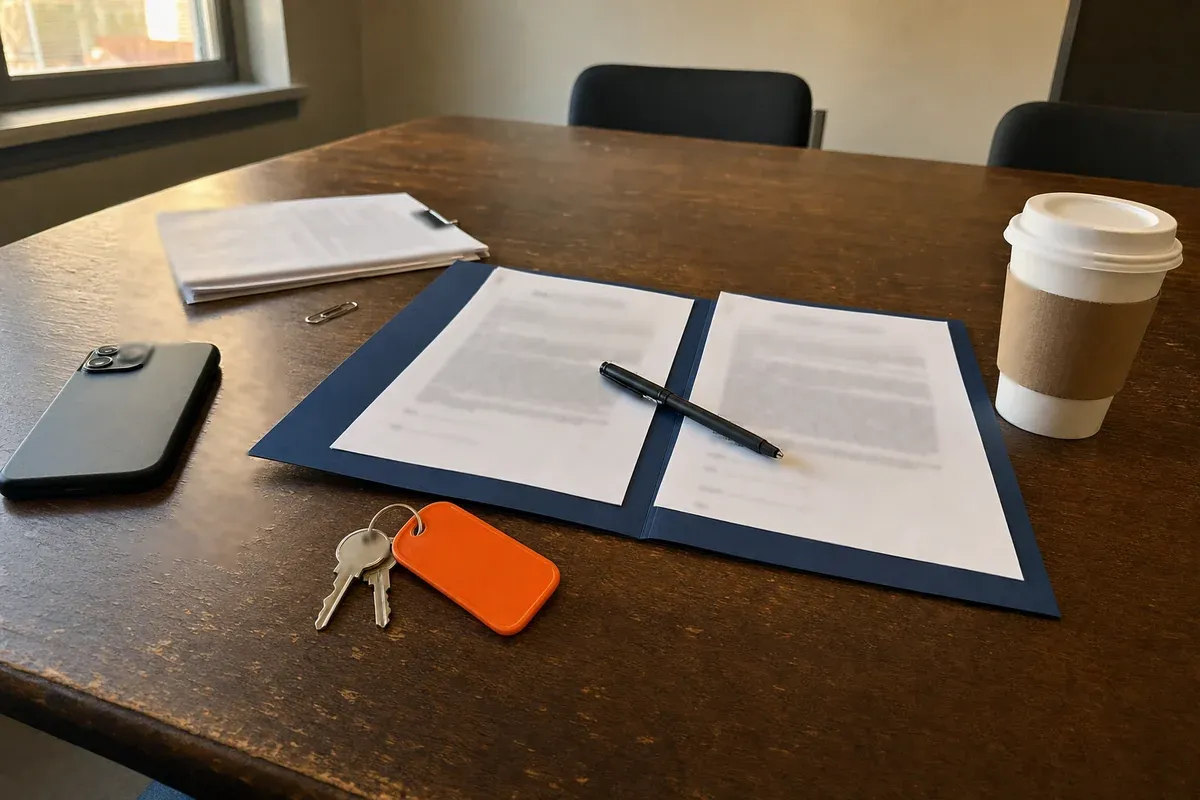
Investor-friendly title company closing table with a purchase agreement and assignment of contract in a folder, a pen and house keys
Quick answer

An investor-friendly title company closes assignments and double closings all the time, holds your earnest money properly and shows your fee on the settlement statement. To find one, ask local investors and your REIA who they close with, check who closed recent cash sales in county records, then call two or three and ask the questions in this lesson before your first contract.

Lesson
6 of 19, module 2: Buyers first
Time
About 12 minutes to read
You'll need
A phone, your county records site and a notepad
Next
Lesson 7: finding motivated sellers
The short answer

What is an investor-friendly title company?

A title company checks that the seller can actually sell the house, holds the money and closes the deal. Most title companies spend their days on regular home sales with a lender and a mortgage. An investor-friendly title company also knows wholesale deals. They close assignments and double closings without a fuss, they move fast on cash deals, and they treat you like a regular customer, not a problem.

Get one lined up before your first contract. I've seen it too many times: a new wholesaler gets a great deal under contract, sends it to whatever title company is closest, and the closer says they don't do assignments. Deal dead. In some states a closing attorney does this job instead, so I'll cover that too.

Quick note before we start: I'm a real estate investor, not an attorney or financial advisor. This lesson is education, not legal or financial advice.

Closes assignments

Knows what an assignment of contract is and closes them often. No long pause on the phone.

Does double closings

Can close your purchase and your resale back to back, and explains how they need it funded.

Handles your money right

Holds earnest money in a trust account, sends a receipt fast and puts your fee on the settlement statement.

Moves fast

Opens title the day you send the contract, calls you about problems early and can close a clean cash deal quickly.

Why it matters

What a title company does in a wholesale deal

A title company does the same basic job on every deal. On a wholesale deal, a few extra pieces need to go right, and that's where an investor-friendly one earns its keep.

JobOn a regular home saleOn a wholesale deal
Earnest moneyHolds the buyer's depositHolds your deposit, and often your end buyer's too
Title searchChecks liens, owners and record errorsSame, but often on a fast cash timeline
The buyerUsually the person who signed the contractMay be your end buyer, through an assignment
Two closingsRareA double close means two closings back to back
Your feeNo middle personShown on the settlement statement and paid at closing
SpeedOften tied to a lender's timelineCash buyers want to close fast

The title search is where problems show up: old liens, mistakes in the records, missing heirs, unpaid utility bills. A good closer finds them early and tells you what it takes to clear them.

Step by step

How to find an investor-friendly title company, step by step

Step 1: Find out who closes deals in your state

Before you start calling, find out who closes deals where the property is. In most states a title company runs the closing. In some states a licensed attorney has to handle it or supervise it. Georgia and South Carolina are two clear examples. Georgia's Supreme Court ↗ says only a licensed Georgia attorney may close a real estate deal, and South Carolina's Supreme Court ↗ says closings must be done under an attorney's supervision.

Other states, like Virginia, have laws that let licensed non-lawyer settlement agents close. Plenty of states fall in between, and practice can change from county to county. So ask a local investor or a local real estate attorney one simple question: who usually closes cash deals here? In an attorney state, everything in this lesson still applies. You're just looking for an investor-friendly closing attorney.

Closing rules and wholesaling rules are two different things. Check the wholesaling side on my wholesaling laws by state page and in Lesson 2.

Checklist
  • Title company, attorney, or both in your state
  • Your state's wholesaling rules checked too
  • A local real estate attorney's name for questions
Step 2: Ask local investors and your REIA who they close with

This is the best way, hands down. Investors who close deals every month already found the good title company the hard way. Ask them: who closed your last assignment? Most will tell you, because a good title company makes their deals go smoother too.

Start with the cash buyers you found in Lesson 4. Your end buyer is usually the one bringing the money, so a title company they already trust makes your closing easier. Then go to your local real estate investors association, or REIA. Title reps often sponsor the meetings, and you can ask the room who they use. Local investor groups online work too.

Write down every name you hear. When the same title company comes up two or three times, put it at the top of your call list.

Checklist
  • Three or more investors asked
  • Your local REIA's next meeting on your calendar
  • A short list of names that came up more than once

Step 3: Check who closes investor deals in county records

Here's a trick most people skip. Pull recent cash sales in your area, the same list you used to find cash buyers, and open the recorded deeds. The top of the first page usually shows who prepared the deed and where to mail it after recording. On a lot of deals, that's the title company or closing attorney who handled the closing.

Florida, for example, won't record a deed unless it shows the name and address of the person who prepared it (Florida Statutes section 695.26 ↗). Other states have their own recording rules, but most deeds carry the same kind of information.

Look at deeds where the buyer is an LLC and no mortgage was recorded. Those are usually investors paying cash. If one title company shows up on deal after deal, they're closing investor deals every week. That's who you want to call.

County records checklist
  • Twenty or so recent cash sales pulled
  • The prepared by and return to names on each deed
  • A tally of which title companies show up most
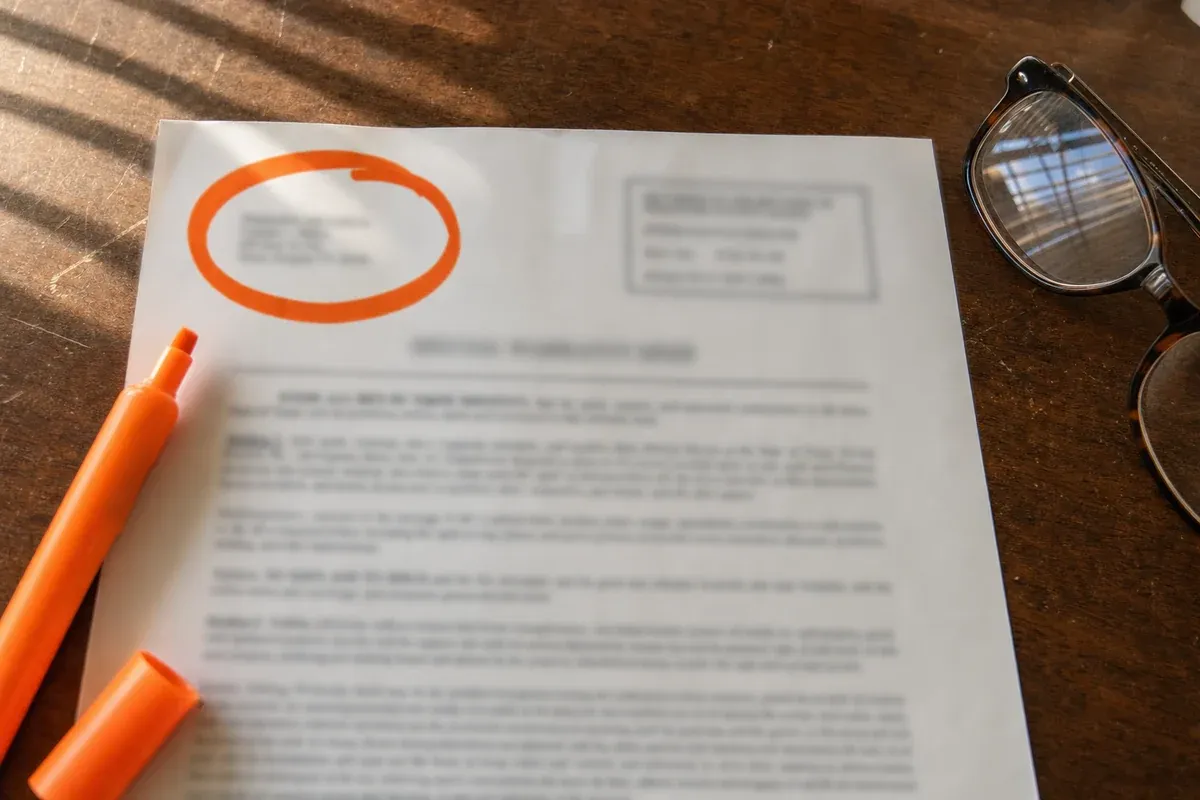
Recorded deed with the prepared by and return to block circled, showing which title company closed an investor cash sale

Step 4: Call two or three and ask the right questions

Now pick up the phone. Ask the front desk for a closer or escrow officer who works with investors, not the first person who answers. Tell them straight up that you're a wholesaler. If they get weird about it now, they'll get weird about it at closing.

Use the script and the questions below. You're listening for two things: do they know these deals, and do they want your business? A closer who says assignments are no problem and explains how they handle double closes is worth more than a lower fee.

Call at least two or three. You want a first choice and a backup, because closers go on vacation and offices get busy.

Questions to ask
  • Do you close assignments of contract?
  • Do you do double closings, and how do they need to be funded?
  • How will my fee show on the settlement statement?
  • How fast can you close a clean cash deal?
  • How do you handle earnest money?
  • What are your fees, in writing?
  • Who will be my closer, and what's their direct line?
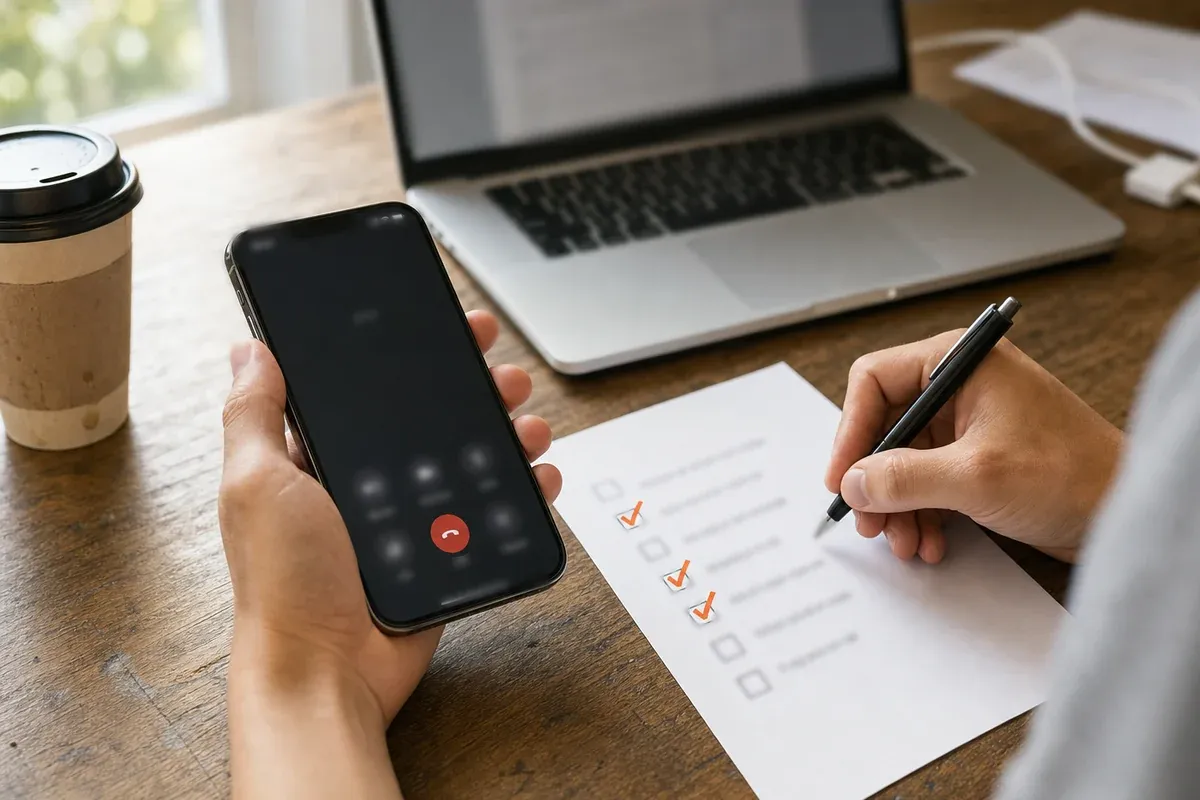
Wholesaler calling a title company with a printed checklist of questions about assignments, double closings and earnest money

Step 5: Ask how they handle your earnest money

Your earnest money goes to the title company or closing attorney, not to the seller. They hold it in a trust account until closing. Virginia's law, for example, says money handed to a settlement agent has to sit in a separate trust account ↗. Ask how they want it sent, how fast you'll get a receipt, and what happens if a deal falls apart.

Know your contract's deadline for the deposit and get it in early. If you cancel during your inspection period, the title company usually needs the release signed by both sides before they send the money back. If there's a dispute, they usually hold it until both sides agree or a court decides. Read Lesson 13 on setting your earnest money and inspection period.

When you assign the contract, your end buyer usually puts down their own deposit with the same title company. Ask how they'll handle your deposit and theirs on the settlement statement, so nobody is surprised at closing.

One more thing: never wire money from emailed instructions alone. Scammers fake title company emails. The CFPB says ↗ to confirm wiring instructions by phone, using a number you already know. If something goes wrong, call your bank right away to ask for a wire recall and report it to the FBI at ic3.gov ↗.

Checklist
  • How they want the deposit sent, and how fast you get a receipt
  • How a refund works if you cancel in your inspection period
  • Wiring instructions confirmed by phone

Step 6: Ask about double closes and transactional funding

With an assignment, your buyer steps into your contract and you're paid a fee at closing. With a double close, you buy the house and resell it to your buyer, usually the same day. Lesson 2 covers when you might use each one.

Here's where title companies differ. Many won't use your end buyer's money to pay for your purchase. They want the first closing funded on its own. That's what transactional funding is for: a short loan that covers your purchase for a day or so. Ask the title company if they work with transactional lenders, what they need from them, and what each closing will cost you. You pay closing costs on both sides of a double close, so run the numbers first.

Also ask about the end buyer's money. If your buyer is using an FHA loan, a fast resale won't work. FHA's anti-flipping rule ↗ won't insure a loan when the resale contract is signed 90 days or less after the seller bought the house, and it doesn't allow an assigned contract. Other lenders have their own rules. That's one more reason to sell to cash buyers.

Checklist
  • Whether they'll do a double close, and how it must be funded
  • Whether they work with transactional lenders
  • Fees for both closings, in writing

Step 7: Name them in your contract and send it the same day

When you sign a purchase agreement, write in your title company. Don't leave it blank, and don't let the seller pick one you haven't vetted. If you plan to assign, the contract should say you can (often written as your name and/or assigns). My wholesale contracts page has templates. Have a local attorney review them.

Then send the signed contract and your earnest money to the title company the same day. They'll open a file and start the title search while you find your buyer. If they find a lien, a missing heir or an unpaid water bill, you want to know now, not the day before closing.

Checklist
  • Your title company named in every purchase agreement
  • Assignment wording in the contract
  • Contract and deposit sent the day you sign

Step 8: Keep a backup and treat them like gold

Once you find a good closer, look after them. Send clean files with every name, phone number and contract page they need. Answer their calls fast. Take them to lunch now and then, and send a thank-you card after a closing. It sounds small, but a closer who likes working with you will catch problems early and call you before they turn into deal killers.

Keep your second-choice title company warm too. Send them a deal now and then, so you're not stuck if your first choice is buried at month end.

I'm building a list of investor-friendly title companies by state. Until it's ready, the steps above will find you one faster than any list.

Checklist
  • A first choice and a backup title company
  • Your closer's direct line and email saved
  • A thank-you after every closing

Find your superhero title agent. A great closer is worth more than a lower fee. When you find one who understands wholesale deals, treat them like gold. They'll catch the liens and record errors before they kill your deal, and they'll pick up the phone when your buyer has a question.

What to say

Title company call script

Keep it short and honest. You're not asking for a favor. You're bringing them business.

  • To the front desk: "Hi, my name is ___. I'm a local real estate investor and I'm looking for a title company to close my deals. Who's the best person to talk to about investor closings?"
  • To the closer: "Thanks for taking my call. I do wholesale deals. Most of the time I assign my contract to a cash buyer, and sometimes I do a double close. Is that something you close?"
  • Then the questions: go down the list in the table below and write the answers down.
  • To wrap up: "Great. Can you email me your fee sheet and how you like contracts sent? I'll call your office to confirm wiring instructions before I ever send money."
  • If it's a no: "No problem, thanks for your time. Is there a title company you'd send an investor to?" Closers often know who does these deals.
What to listen for

Questions to ask a title company for wholesaling

Here's what a good answer sounds like, and when to keep looking.

QuestionA good answer sounds likeKeep looking if
Do you close assignments of contract?"All the time. Send it over."They ask what an assignment is
Do you do double closings?Yes, and they explain how they need the first closing fundedA flat no, or they can't explain it
How will my fee show up?A line on the settlement statementThey want it hidden or paid outside closing
How fast can you close a clean cash deal?Days to a couple of weeksSeveral weeks, with no reason
How do you handle earnest money?Trust account, quick receipt, clear refund rulesVague answers
What are your fees?A written fee sheet for both sides"We'll see at closing"
Who will be my closer?A name and a direct lineOnly the front desk
Can sellers sign remotely?Mobile notary or remote signing optionsEveryone has to come to the office
Walk away

Title company red flags

  • They don't know what an assignment is. Don't be their first one. Keep calling.
  • They want to hide your fee. Everything should be on the settlement statement. If they suggest paying you outside closing, walk away.
  • They won't put fees in writing. Surprise fees at closing come out of your fee or your buyer's patience.
  • A clean cash deal takes weeks. Cash buyers move on when you're slow.
  • Wiring instructions change by email. Stop and call the office at a number you already know before you send a cent.
  • They tell you not to worry about the wholesaling rules. A title company isn't your attorney. Check your state's rules yourself.
  • Nobody calls you back mid-deal. If you can't reach your closer now, you won't reach them on closing day either.
On paper

Picking a title company and closing an assignment

Simplified illustration with made-up numbers, not typical results. Fees and timelines vary by company and by state.

Simplified illustration

Calling three title companies

You got three names from your REIA and the county deeds, and called each one with the questions above.

CompanyWhat you heard on the call
Company A: pass"We rarely do assignments." No double closes. About 4 weeks for a clean cash close. Wants your fee off the statement. No fee sheet.
Company B: first choiceCloses assignments every week. Double closes if the first closing is funded separately. About 7 to 10 days for cash. Fee as a line on the statement. Fee sheet emailed the same day, and a named closer with a direct line.
Company C: backupCloses assignments. Double closes only with underwriter approval. About 2 weeks for cash. Fee on the statement. Fee sheet the next day.

Company B wins and goes in your contracts. Company C is your backup. Company A gets a polite thank-you and no deals.

Simplified illustration

How the money moves on an assignment

You put a house under contract, name Company B in the contract and assign it to a cash buyer.

ItemAmount
Your price with the seller$140,000
Your earnest money, held by the title company$1,000
Assignment fee your buyer agrees to pay$10,000
Buyer's deposit, held by the title company$5,000
Your fee, as a line on the settlement statement$10,000

At closing the seller gets their price, minus their own costs. Your fee shows on the settlement statement, and your earnest money is handled the way your assignment says. Ask your closer to walk you through a draft statement before closing day.

Avoid these

Mistakes to avoid with title companies

Waiting until you have a contract

Find your title company first. The day you sign is the day the contract should go to title.

Using whoever the seller picks

If they've never closed an assignment, you'll find out at the worst time. Name your own.

Trying to hide your fee

Your fee belongs on the settlement statement. Hiding it can cause trouble with title companies, buyers and, in some states, the law.

Wiring money from an email

Always confirm wiring instructions by phone, using a number you already know.

Having only one title company

Closers get busy and go on vacation. Keep a backup.

Asking the closer for legal advice

They can explain their process, but they can't tell you whether your contract follows your state's rules. That's a job for a local attorney.

Recap

Lesson recap

  • An investor-friendly title company closes assignments and double closes, handles earnest money right and shows your fee on the settlement statement.
  • Find out whether a title company or an attorney closes deals in your state, then look for an investor-friendly one.
  • Ask local investors and your REIA who they use, and check recorded deeds on recent cash sales.
  • Call two or three, use the script and the questions, and watch for the red flags.
  • Name your title company in every contract, send it the same day, and keep a backup.

Before your first contract. Wholesaling and closing rules vary by state and change often. Check the laws by state where the property is, and have a local real estate attorney review your contracts and disclosures.

See the whole Wholesaling University course free

Enter your name and email to read the rest of this lesson and every lesson in the course.

  • The full text of every lesson, opened on this device
  • Every step, worked example and checklist
  • My free Wholesale Deal Analyzer (Excel)

Free. No credit card. Unsubscribe anytime.

Unlocked. You're signed up, so every Wholesaling University lesson is open in full on this device.
Tools

Tools I use for this

Two free resources from me, and my review of the tool I use to pull cash sales.

Free

Wholesaling laws by state

The wholesaling rules where the property is, with links to the state's own sources.

Check your state
Free

Wholesale contracts

My purchase agreement and assignment contract. Have a local attorney add your state's disclosures.

Get the free contracts
My review

DealMachine

What I use to pull recent cash sales and LLC buyers by ZIP code, so I can see who's closing investor deals.

Read my DealMachine review
FAQ

Investor-friendly title company FAQ

What is an investor-friendly title company?

It's a title company that closes wholesale deals often. It knows assignments and double closings, holds earnest money in a trust account, shows your fee on the settlement statement and moves fast on cash deals. Most title companies mainly close regular home sales with a lender, so you have to look for one.

Do all title companies close assignments?

No. Many close mostly regular home sales and aren't used to assignments or double closings. Some won't do them at all. Ask before you send a contract. If they ask what an assignment is, keep calling until you find one that closes them every week.

Do I need a title company to wholesale a house?

In most states a title company closes the deal. In some, like Georgia and South Carolina, a licensed attorney has to close it or supervise it. Either way, you want a neutral closer to search the title, hold the money and close it. Check who closes deals where the property is.

How do I find a wholesale-friendly title company near me?

Ask local investors and your cash buyers who they close with, and ask at your REIA meetings. Then pull recent cash sales from county records and look at who prepared the deeds. Call the names that come up most and ask about assignments, double closes, fees and timing.

Who pays the title company in a wholesale deal?

It depends on your contract and local custom. Closing costs are split between buyer and seller in different ways in different areas, and your end buyer usually covers the buyer's side on an assignment. On a double close you're the buyer on the first closing, so expect costs there. Get a written fee sheet.

What if my title company won't close my assignment?

Move the deal to one that will, if your contract allows it. That's why you name your own title company in the contract up front. You can also ask your end buyer who they close with. As a last resort, a double close may work, if the numbers still make sense.

What's the difference between a title company and a closing attorney?

Both can search title and close the deal. A closing attorney can also give legal advice, and some states require an attorney to handle or supervise closings. A title company can't give legal advice. In attorney states, look for an investor-friendly closing attorney the same way.

Is there a list of investor-friendly title companies?

I'm building one by state, but it isn't ready yet. Lists also go stale fast as closers move around. The steps in this lesson work better: ask local investors, check recorded deeds on cash sales and call two or three companies with the questions above.

Next: lesson 7, How to find motivated sellers

Driving for dollars, vacant and tax delinquent lists, code violations and more, compared.

Heads up: I earn a commission if you buy through my link. Costs you nothing extra, but it helps fund my Starbucks addiction. ☕

Not legal advice. Confirm with a licensed attorney in your state.

Not financial or legal advice. Wholesaling University is for education. David Frizzell is a real estate investor, not an attorney or financial advisor. Wholesaling laws vary by state, so check the rules in your state before you market a property or make offers, and talk to a local real estate attorney if you're not sure.

Free download

Free wholesaling contract pack

Wholesaling contract templates, free. Enter your email and the pack lands in your inbox.

Free. Unsubscribe anytime. After you sign up you can read my DealMachine review.